


Short answer: Replace your flexi hose if you see rust or corrosion, drips or damp under the sink, kinks or frayed braiding, a drop in water pressure, or if the hose is more than 5 to 10 years old. Any one of these can mean the hose is close to failing. A burst hose can release a lot of water in a short time, so act early.
A flexi hose is about as thick as your finger. It sits out of sight behind most Sydney basins, kitchen sinks, toilets and washing machine taps. It rarely makes a noise before it fails. You find out when the cupboard floor is soaked, or when you walk into a flooded home.
At Plumbing Services Sydney, our plumbers replace failing flexi hoses all the time. Most could have been swapped for a fraction of the cost of the water damage. Here is how to spot the warning signs.
Worried about a hose right now? Call 1300 237 246 and speak to a licensed plumber today.
What Is a Flexi Hose and How Long Does It Last?
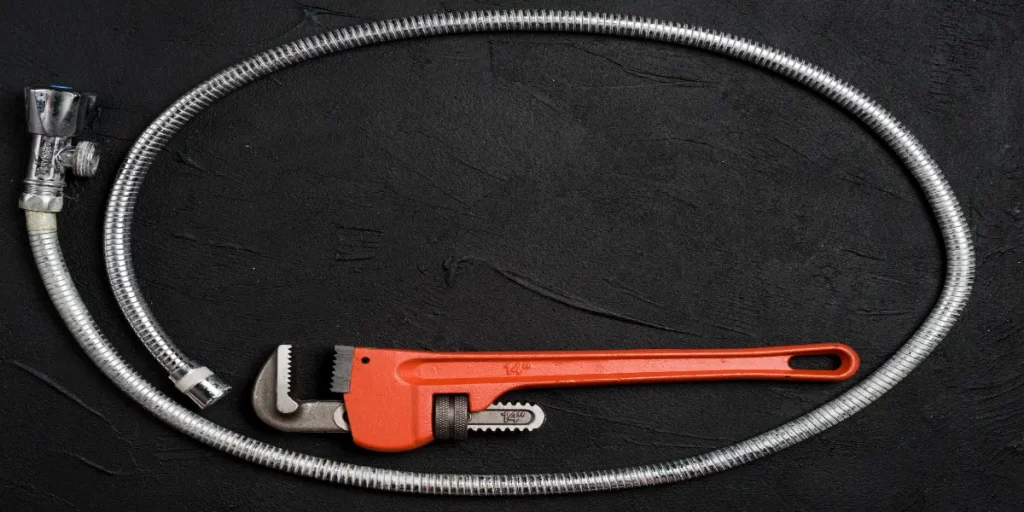
A flexi hose (also called a flexible tap connector or braided hose) links your water supply pipe to a tap, toilet cistern or appliance. It has a rubber or plastic inner tube wrapped in braided stainless steel.
Most last around 5 to 10 years. Heat, water pressure, water chemistry and the quality of the hose all change that number. Treat 5 to 10 years as a guide, not a guarantee.
The 5 Signs Your Flexi Hose Needs Replacing
1. Rust or Corrosion on the Braiding or Fittings
Check the metal braid and the nuts at both ends. Brown, orange or white crusty marks mean water is reaching places it should not. Rust on the braid can also mean the steel is weakening, even if nothing is dripping yet.
Tip: Wipe the hose with a dry paper towel. If it comes away orange, damp or flaky, book a replacement.
2. Drips, Dampness or Water Stains Under the Sink
A slow leak is the clearest warning. Look for:
- Wet or swollen cupboard bases
- Water stains or peeling laminate
- A musty smell or mould
- Drops on the hose connectors
Place a dry tissue under each connection for a few hours. A damp tissue shows you which one is leaking. Fixing the leak early also protects your cabinetry and flooring. If you suspect a hidden leak elsewhere, our leak detection service can trace it.
3. Kinks, Bulges, Bends or Frayed Braiding
Gently run your hand along the hose. Replace it if you find:
- A sharp kink or tight bend
- A bulge or soft spot in the middle
- Frayed or broken wire strands
- A twisted hose that was fitted under tension
A bulge means the inner tube is giving way under pressure. That is a hose on the edge of bursting.
4. Reduced Water Pressure or Strange Flow
If one tap suddenly runs weaker than the others, the hose may be partly blocked or collapsing inside. Sputtering, hammering or noisy flow can also point to a worn connector or a faulty tap. A plumber can tell the difference quickly. Our tap repairs and replacements team handles both.
5. The Hose Is Older Than 5 to 10 Years (or You Can’t Tell How Old It Is)
Age matters even when a hose looks fine. The rubber inside degrades over time from constant pressure, heat and chlorine-based disinfectants in mains water. If your home is older, you have just bought a property, or the hose was fitted by a previous owner, assume it needs checking.
Tip: Look for a date stamp or batch number on the fitting. No markings at all is itself a reason to replace.
Quick Reference: Signs, Meaning and Urgency
| Sign | What it usually means | Urgency |
|---|---|---|
| Rust or corrosion | Braiding or fittings are breaking down | Replace within days |
| Drips or damp cupboard | Active leak at a connection or the hose | Replace now |
| Kink, bulge or frayed braid | Hose is physically damaged | Replace now |
| Low pressure or noisy flow | Partial blockage or internal collapse | Book a plumber this week |
| Over 5 to 10 years old | Rubber inner tube nearing end of life | Plan a replacement soon |
What Should You Do Right Now If You Spot a Sign?
- Turn off the isolation tap under the sink or behind the toilet. Turn the handle a quarter turn.
- Can’t find or move it? Turn off the main water valve at the meter or property boundary.
- Mop up and dry the area. Take photos for insurance.
- Don’t tighten the connectors with force. Over-tightening can crack the fitting.
- Call a licensed plumber.
If water is spraying or pooling and you can’t stop it, call emergency plumbers Sydney residents trust. We answer 24/7 on 1300 237 246.
Water leaking now? Don’t wait. Call 1300 237 246 for a fast emergency response.
Why Do Flexi Hoses Fail in Sydney Homes?
The common causes are straightforward:
- High water pressure. Many Sydney homes have mains pressure well above what cheap fittings are designed for. A pressure limiting valve can reduce the strain on every hose in the house.
- Disinfectants in mains water. Over the years, these can slowly harden and weaken rubber.
- Low-quality hoses. Non-certified hoses sold online or in bulk packs often fail early. Always choose WaterMark-certified products.
- Poor installation. Twisted, overtightened or incorrectly sized hoses fail sooner.
- Heat. Hoses near hot water connections wear faster. If you have an older storage unit, a hot water system check is worth doing alongside the hose.
Can You Replace a Flexi Hose Yourself?
It looks easy, but it is easy to get wrong. A hose that is too tight, too long or poorly seated can fail within months, and a leak behind a cupboard can go unnoticed for a long time.
In NSW, plumbing work should be done by a licensed plumber. A professional will:
- Fit a WaterMark-certified hose of the right size and length
- Check the isolation tap and tap body at the same time
- Test the connection under pressure
- Spot other problems before they become costly
We also check every other flexi hose in the home during the visit, so you only need one call.
Flexi Hoses, Insurance, Landlords and Strata: What to Know
Most home insurers treat gradual wear and tear differently from sudden bursts, and policies vary. Keeping a record of replacement dates helps if you ever need to make a claim.
Landlords and property managers should add hoses to routine inspections. Strata managers should note that one failed hose in a unit can damage the floors below. Tenants should report rusty or damp hoses to the agent in writing straight away.
How Often Should You Check and Replace Flexi Hoses?
- Check every 6 to 12 months. Look under every sink, behind toilets and at the washing machine.
- Replace every 5 to 10 years. Sooner if you see any of the signs above.
- Replace after major work. Swapping a tap, vanity or toilet is the cheapest time to renew the hoses.
- Know your isolation taps. Make sure everyone in the house knows where they are.
- Going away? Turn off the main water if you’ll be gone for a long stretch.
FAQs
How do I know if my flexi hose needs replacing?
Look for rust, drips, damp cupboards, kinks, bulges, frayed braiding, lower water pressure, or a hose that is more than 5 to 10 years old. One of these is enough to justify a replacement.
How long do flexi hoses last?
Most last 5 to 10 years. Water pressure, heat and hose quality can shorten that.
Can a flexi hose burst without warning?
Yes. Many fail with little or no sign. That is why regular checks and replacement by age matter.
Is a leaking flexi hose an emergency?
It is if water is spraying or pooling. Turn off the isolation tap or mains and call an emergency plumber. A slow drip still needs fixing soon.
How much does it cost to replace a flexi hose?
The hose itself is inexpensive. The cost mostly comes from the plumber’s time and the number of hoses replaced. Call us for a quote.
Can I use the same flexi hose when I replace a tap?
No. Always fit new hoses with a new tap. Old hoses may not seal properly and are already close to the end of their life.
Does home insurance cover a burst flexi hose?
Often it covers sudden damage, but policies differ. Check your policy wording and keep records of maintenance.
Don’t Wait for a Flood
A flexi hose costs little to replace and a lot to ignore. If you’ve spotted rust, a drip, a kink or a hose that has been there for years, get it checked.
The team at Plumbing Services Sydney is licensed, local and available around the clock. Call 1300 237 246 or use our Contact Us page to book. For any job, from a single hose to a full home check, you can rely on a trusted plumber Sydney homeowners recommend.
Book your flexi hose check today. Call 1300 237 246 or Contact Us.

